
Ever wondered who does what for child care in Alberta? Check out the Who’s Who in Alberta’s Child Care System guide by clicking HERE
A note on terminology: Throughout this resource, you will see both child care and childcare. AECEA uses child care as two words in keeping with our established style, while childcare is used when referring to official Government of Alberta names, titles, or programs.
The Association of Early Childhood Educators of Alberta (AECEA) created this guide as a general educational resource, with input from its partners in Childcare Policy within the Government of Alberta’s Ministry of Education and Childcare to help early childhood educators understand Alberta’s government structure and early learning and child care (ELCC) decision-making processes. This guide is not an official Government of Alberta publication. Government structures, programs, agreements, responsibilities, and contact information may change. For current information, consult official Government of Alberta and Government of Canada sources. If you would like to view or download this guide as a PDF, you can access it by clicking here.
Why This Matters
Alberta’s Ministry of Education and Childcare plays a central role in the early learning and child care system. The ministry is responsible for areas that directly affect early childhood educators and the programs in which they work, including licensing, educator certification, funding, affordability initiatives, and workforce supports.
The Government of Alberta identifies affordable, accessible, inclusive, and high-quality early learning and child care as important goals for Alberta’s child care system, with a focus on supporting children’s well-being and families.
Within this mandate, the ministry’s work related to child care includes increasing access to affordable, quality, safe, and inclusive child care, as well as supporting the quality of licensed child care through workforce initiatives aimed at recruiting, retaining, and supporting skilled early childhood educators.
Understanding how the ministry is organized, how decisions are made, and which levels of government are involved can help early childhood educators understand where policies and programs come from, where to go with questions, and the different ways they can participate in conversations about their profession and sector.
Understanding Change
In May 2025, responsibility for child care moved to Alberta’s Ministry of Education, which was renamed to the Ministry of Education and Childcare.
Even when the name changes, the same basic responsibilities continue: licensing centres, setting standards, monitoring compliance, and supporting the workforce.
So, rather than remembering names, remember roles — who sets direction, who manages programs, and who you can reach out to.
The Two Sides of the Ministry
1
The Minister
The Minister of Education and Childcare is an elected Member of the Legislative Assembly (MLA).
The minister is part of Cabinet and is responsible for advancing the government’s direction for early learning and child care, including funding models, affordability goals, and workforce priorities.
Ministers change when there’s an election or Cabinet shuffle.
2
The Public Service
The deputy minister and their staff are public service employees (non-partisan employees).
They oversee ministry operations, support policy development, and lead the implementation of government programs, funding, and regulations.
The deputy minister is responsible for ensuring all aspects of their respective ministry meet the priorities, goals, and objectives of the Government of Alberta.
How the Ministry Is Organized
The names and divisions may change, but the basic structure for the Ministry of Education and Childcare looks like this:
Minister of Education and Childcare
Elected official
Deputy Minister
Senior public service employee
Assistant Deputy Ministers (ADMs)
Childcare Strategy and Policy
Childcare Delivery
Executive Directors & Directors
Childcare Transformation
Strategic policy
- Bilateral agreement negotiations and reporting
Childcare Policy
Legislative and program policy
- ECE certification
- Workforce initiatives
Childcare Administration
- Funding & grants Affordability Grants, subsidy, professional development, and wage top-ups
Childcare Licensing
- Licensing and monitoring
Licensing Officers
Support and monitor licensed programs
These layers ensure that government decisions are developed, reviewed, and delivered across the province.
Who Does What in Alberta
Minister
What They Do
Responsible for all aspects of the business of a specific government ministry. Responsible for fulfilling the mandate given to them by the government to develop policies and programs that serve Albertans and make effective use of ministry funds.
Why It Matters to Educators
The minister’s priorities influence funding, affordability programs, and new initiatives.
Deputy Minister (DM)
What They Do
Supports the minister and oversees the day-to-day operations of the ministry.
Why It Matters to Educators
The DM provides expert, non-partisan advice to the minister on policy issues and leads the implementation of the ministry’s programs and policies.
Assistant Deputy Ministers (ADMs)
What They Do
Lead specific areas, such as Childcare Strategy and Policy or Childcare Delivery.
Why It Matters to Educators
ADMs support the deputy minister and translate government and ministerial priorities into programs and policies that guide early childhood educators’ work.
Executive Directors & Directors
What They Do
Responsible for the strategic direction, operational management, and policy implementation of a government branch.
Why It Matters to Educators
Implement programs that affect ECE funding, standards, and workforce initiatives.
Licensing Officers
What They Do
Work directly with licensed programs, ensuring they meet provincial safety and quality standards by licensing, monitoring and investigating them.
Why It Matters to Educators
Collaborate with programs to promote understanding of the Early Learning and Child Care Act, Regulation, and Family Day Home Standards, provide resources and address issues through various means, including enforcement actions.
Childcare Staff Certification Office
What They Do
Assesses and issues certifications for staff in licensed child care programs across Alberta.
Why It Matters to Educators
Determines eligibility and assesses credentials to determine level of certification for all three levels of early childhood educators required to work in licensed programs in Alberta.
Government's Role in Child Care
Shared Responsibility
Early learning and child care in Canada is a shared responsibility between the federal and provincial governments.
Federal
Government of Canada
The governments of Canada and Alberta work together through federal–provincial early learning and child care agreements. These agreements provide federal funding to support shared priorities related to affordability, accessibility, quality, inclusion, and the early childhood educator workforce.
- Provides funding to provinces and territories through Canada-Wide Early Learning and Child Care Agreements.
- Sets national goals, such as making child care more affordable, expanding access, and supporting the workforce.
- Tracks progress and works with provinces to ensure funding delivers results for families and educators.
- Does not directly license or regulate child care programs; that responsibility lies with the province.
Agreements are renewed or updated periodically, so funding commitments and priorities may change over time.
Provincial
Government of Alberta
- Reports on federal funds in accordance with the reporting requirements for the Canada-Alberta Canada-wide Early Learning and Child Care Agreement.
- Allocates provincial and federal funding into several key elements of child care, such as affordability grants, child care subsidies, wage top-ups and professional learning, and space creation.
- Ensures the safety, security, well-being, and development of the child is supported and preserved by implementing the Early Learning and Child Care Act, including issuing and monitoring licensed child care.
- Supports the early learning and child care workforce by certifying and monitoring early childhood educators.
Why It Matters to Educators
- Federal–provincial agreements have supported lower parent fees, educator workforce supports, and other investments in Alberta’s early learning and child care system.
- When federal and provincial governments renegotiate their agreements, educator voices and workforce data are important for informing the next phase.
- AECEA shares Alberta educators’ perspectives to help inform discussions about these agreements and the realities of working in child care.
How Decisions Are Made
Government policy development generally follows a structured cycle (see Figure 1: Government of Alberta Policy Cycle) that includes research, analysis, decision-making, implementation, and evaluation.
Issue Identification
Ideas often start with government priorities, research findings, or feedback from the community, including input from AECEA and early childhood educators.
Research and Analysis
Policy staff gather data, analyze the issue, and explore its impacts to understand the problem thoroughly.
Options Development
Based on the analysis, policy staff develop possible solutions and assess their feasibility, costs, and benefits.
Decision Making
Senior leadership including the deputy minister, assistant deputy ministers, and ultimately the minister and Cabinet review the options and decide which ones move forward.
Implementation
Public service teams put approved plans into action through grants, licensing changes, or program updates.
Evaluation and Performance Measurement
Once implemented, programs are monitored and evaluated to measure success and inform future improvements.
Your Role as an ECE
When you share your experiences and ideas through AECEA, government consultations, or other engagement opportunities, you provide valuable perspectives that can inform policy discussions and decision-making.
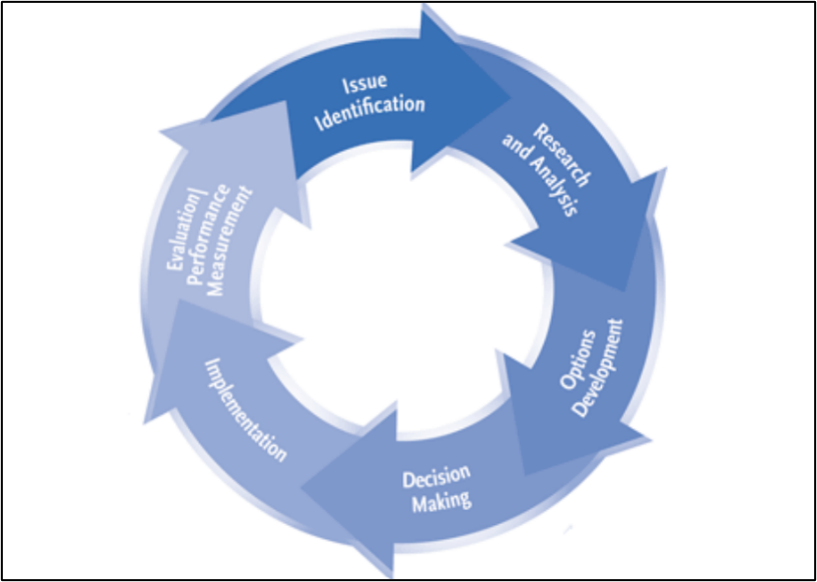
Figure 1: Government of Alberta Policy Cycle
How Educators’ Voices Reach Decision-Makers and Drive Change
Educators play a vital role in shaping early learning and child care policies. Your experiences and insights help government officials make informed decisions. Here is how your voice can reach decision-makers:
Professional Associations
Through AECEA and other professional associations that collect educator feedback and bring it to policy tables.
Advisory Groups & Consultations
Advisory groups and consultations organized by the government.
Community Engagement & Surveys
Community engagement or surveys when new programs are being developed.
Direct Communication
Direct communication with your elected MLA or the Minister of Education and Childcare through letters, emails, or meetings.
There Is No Single Way to Participate
Educators can share their perspectives individually, collectively through organizations such as AECEA, or through government consultations and engagement opportunities. These different forms of participation help decision-makers understand how policies and programs affect educators, children, families, and communities.
Working Together for Impact
The ministry collaborates with a wide range of stakeholders, including the Government of Canada, other Government of Alberta ministries, Indigenous leaders and communities, community agencies, and sector partners to implement its mandate and child care initiatives across the province. Here is how you can stay involved:
Join AECEA
AECEA meets regularly with ministry staff to bring forward member concerns and shares sector updates as they become available.
Stay Informed
Read updates from AECEA and the ministry website to know when consultations or changes are happening.
Share Your Perspective
AECEA gathers educators’ experiences and perspectives to help inform its work with government and the sector.
Connect Locally
Regional officers and licensing staff can explain how provincial policies apply in your community.
Stay Engaged
Participate in sector conversations as policies, programs, and priorities evolve.
Where to Go if You Have Questions
This section gives you practical places to go for answers depending on your question type.
Licensing & Regulations
Childcare Connect or Your Program’s Licensing Officer
How They Can Help
Provides information about licensing requirements, standards, compliance, and your licensed program.
Wage Top-Up, Professional Development, Release Time, and Employer Contribution Funding
Alberta Child Care Grant Funding Program
How They Can Help
Clarifies eligibility, deadlines, and application procedures.
Certification or Credential Questions
Childcare Staff Certification Office
How They Can Help
Confirms requirements, process, and recognition for your ECE certification.
Checking an Educator's Certification Status
Early Childhood Educator Lookup
How It Can Help
Verify the certification level and status of a certified early childhood educator in Alberta.
Policy or Provincial Decisions
Your MLA or the Minister of Education and Childcare
How They Can Help
Share your perspective and ask about provincial priorities.
General Questions About the Profession, Professional Learning, or Sector Issues
General Government of Alberta Child Care Questions
Government of Alberta
How They Can Help
General information about provincial child care programs and services.
In Short
Government sets priorities and direction, while the ministry’s public service develops and implements the policies, programs, and services that support Alberta’s early learning and child care system.
Early childhood educators can contribute their perspectives through AECEA, government consultations, direct communication with elected representatives, and other engagement opportunities.